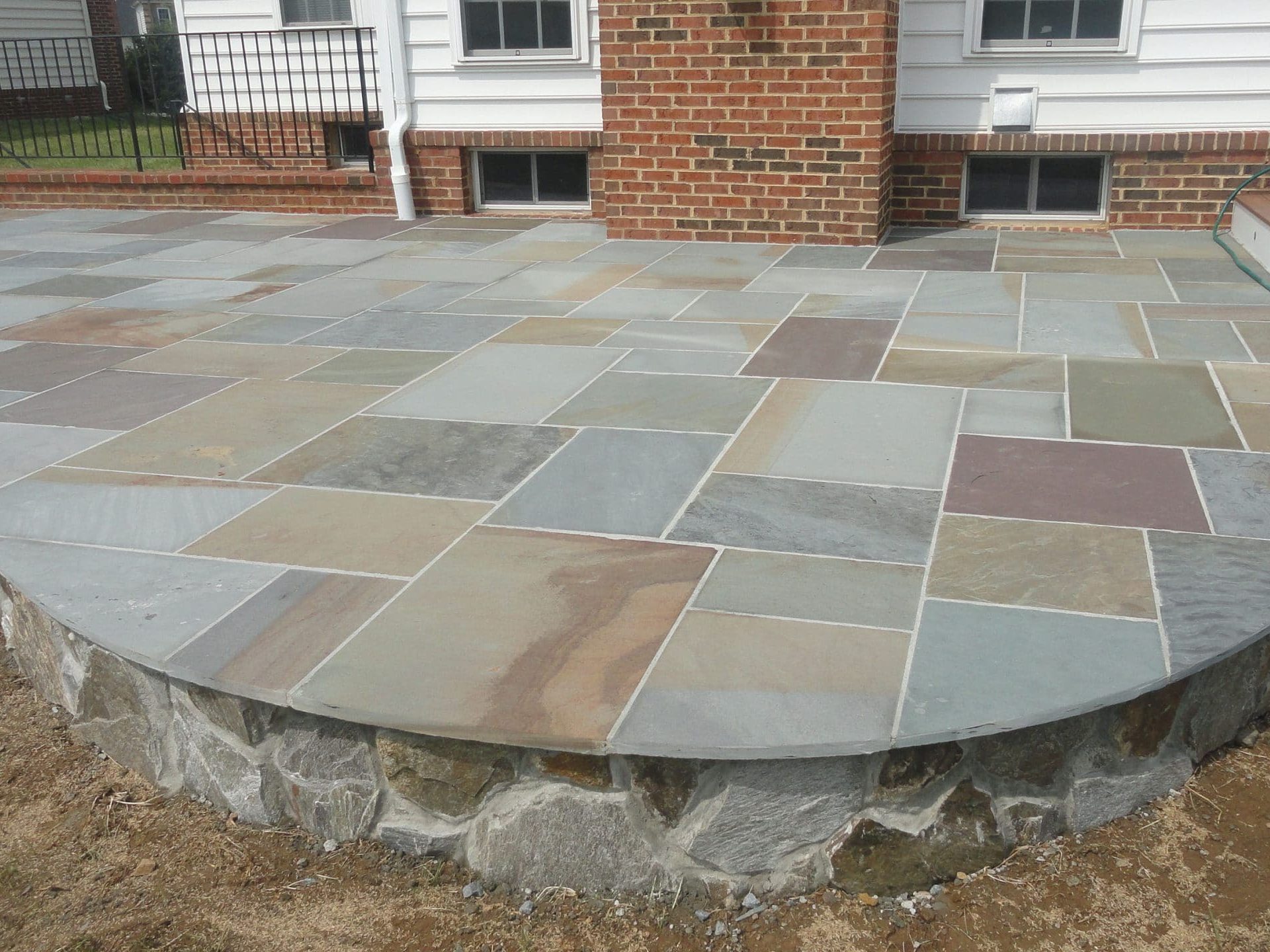
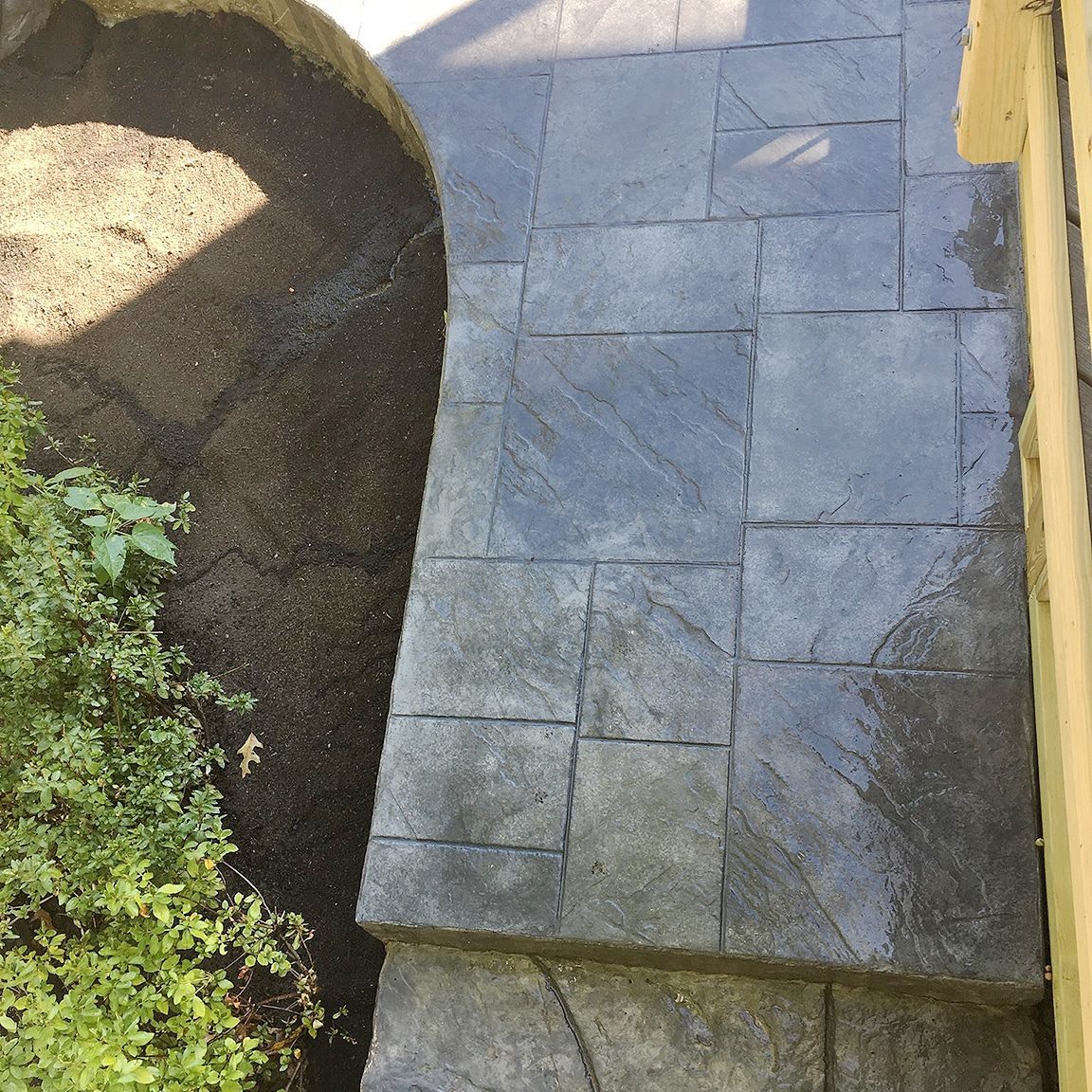
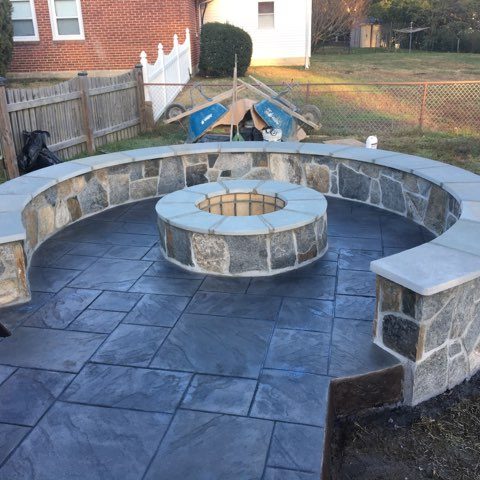
A thoughtfully designed patio or hardscape can turn an ordinary Fairfax County yard into a more functional and inviting outdoor living space. Professional patios and hardscapes can provide defined areas for dining, entertaining, relaxing, grilling, and connecting different parts of a property while complementing the home’s architecture and surrounding landscape. Depending on the project, homeowners may incorporate pavers, natural stone, retaining walls, walkways, steps, fire features, seating walls, and other masonry elements. Careful preparation is particularly important for creating stable surfaces, managing drainage, and achieving a finished appearance that works with the property. Whether the goal is a new backyard patio, an upgraded walkway, or a larger outdoor living area, professional hardscaping gives Fairfax County homeowners an opportunity to make their yards more attractive and useful.
History of Fairfax County
Fairfax County was established in 1742 when Virginia’s colonial legislature created the county from the northern portion of Prince William County. It was named for Thomas Fairfax, Sixth Lord Fairfax of Cameron, whose family held extensive land interests in Northern Virginia. Settlement expanded throughout the eighteenth century, with farms, plantations, mills, river transportation, and communities developing across the area. Enslaved Africans and African Americans were an important part of the county’s early population and economy. George Washington’s Mount Vernon plantation along the Potomac River became one of the area’s most historically significant properties. Fairfax County’s boundaries changed considerably over time, particularly with the creation of Loudoun County in 1757 and the establishment of the federal district that became Washington, D.C.
The county experienced additional changes during the Civil War because of its strategic location near Washington. During the twentieth century, Fairfax transformed from a largely rural county into a major suburban and economic center within Northern Virginia. Residential development, transportation improvements, federal employment, technology businesses, and commercial centers drove substantial population growth. Today, Fairfax County is home to more than one million residents while retaining numerous historic sites that document its colonial, Revolutionary, Civil War, and modern history. More information is available through the official Fairfax County website and the Fairfax County Wikipedia page.
Top 10 Attractions in Fairfax County
- George Washington’s Mount Vernon
- Steven F. Udvar-Hazy Center
- Great Falls Park
- Wolf Trap National Park for the Performing Arts
- Meadowlark Botanical Gardens
- Gunston Hall
- Workhouse Arts Center
- National Museum of the United States Army
- Frying Pan Farm Park
- Riverbend Park
We serve all ZIP codes and neighborhoods in Fairfax County, including 20120, 20121, 20122, 20124, 20151, 20153, 20170, 20171, 20172, 20190, 20191, 20192, 20194, 20195, 20196, 22003, 22009, 22015, 22027, 22031, 22032, 22033, 22034, 22035, 22036, 22037, 22039, 22041, 22042, 22043, 22044, 22060, 22066, 22067, 22079, 22081, 22082, 22095, 22096, 22101, 22102, 22103, 22106, 22107, 22108, 22109, 22116, 22118, 22119, 22121, 22122, 22124, 22150, 22151, 22152, 22153, 22156, 22158, 22159, 22160, 22161, 22180, 22181, 22182, 22183, 22185, 22199, 22303, 22306, 22307, 22308, 22309, 22310, 22312, and 22315.