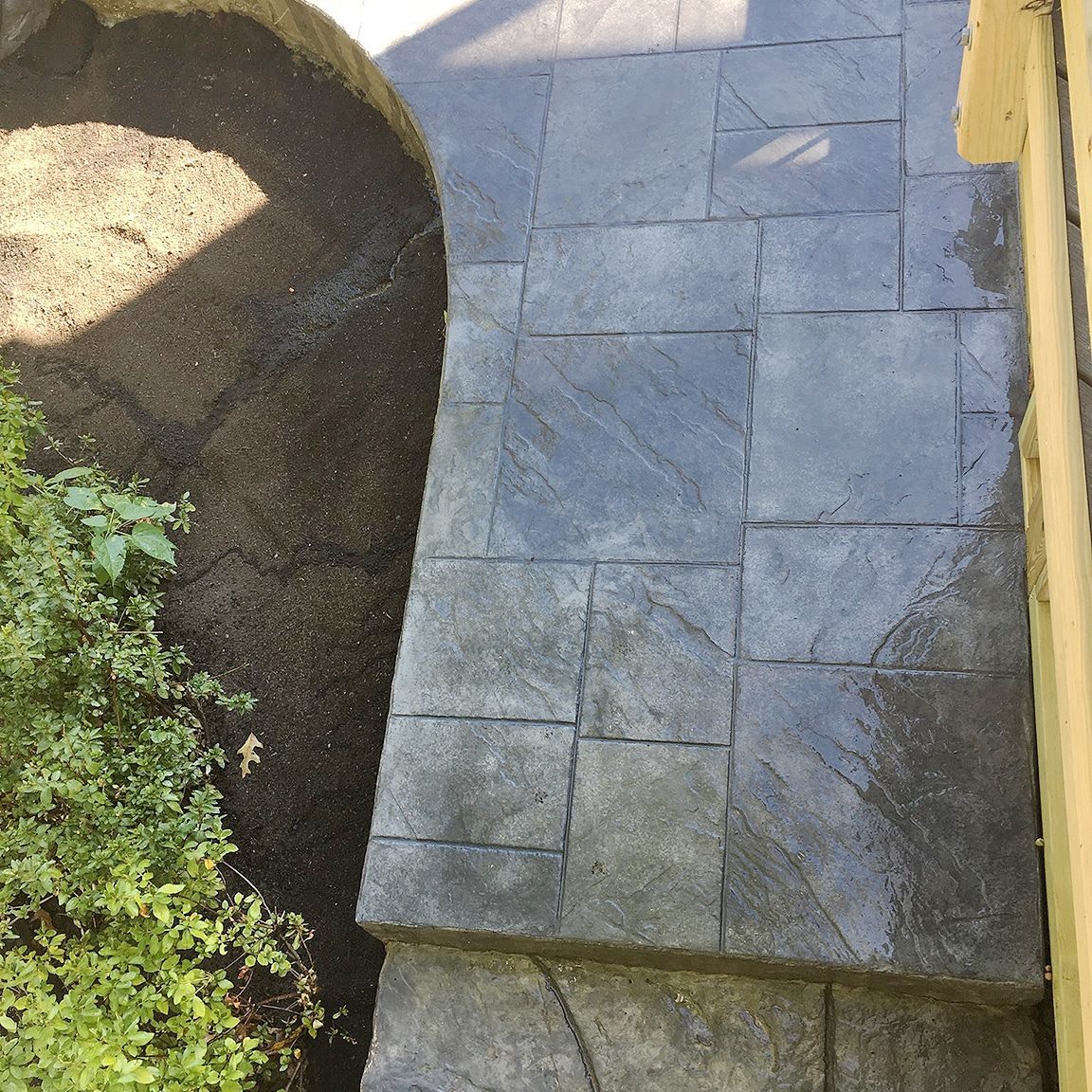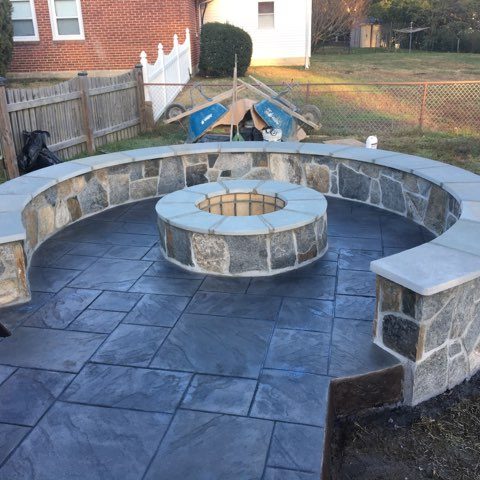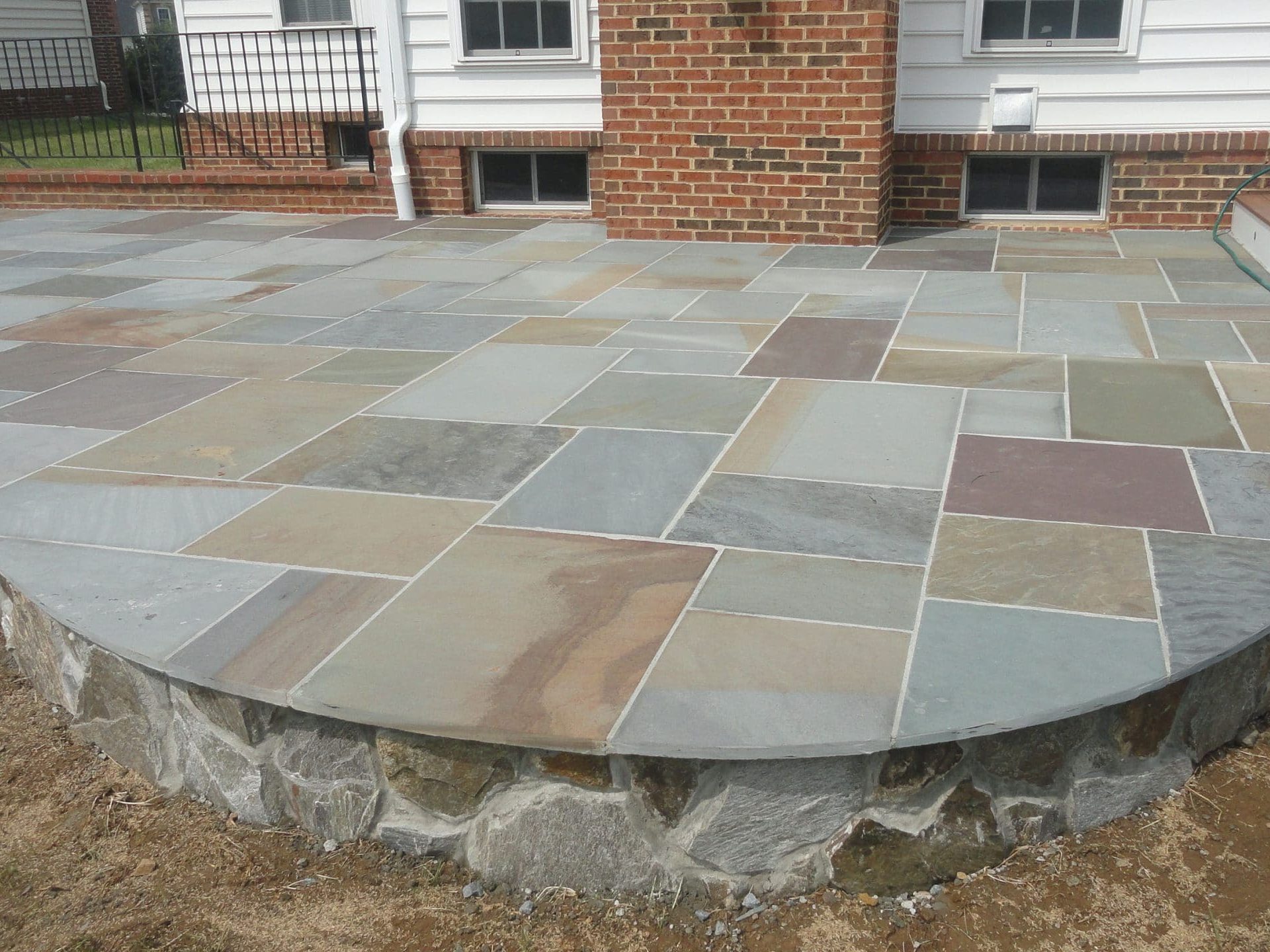
A professionally designed patio or hardscape can give Falls Church homeowners more usable outdoor space while creating a natural connection between the home and landscape. Patios can provide comfortable areas for outdoor dining, entertaining, grilling, or relaxing, while walkways, retaining walls, steps, seating walls, and other hardscape features can improve how people move through and enjoy the property. Materials such as natural stone and concrete pavers also make it possible to coordinate an outdoor project with the architecture and character of the home. Proper site preparation, grading, drainage, and installation are essential for creating surfaces that remain stable and attractive. Whether updating an existing backyard or planning an entirely new outdoor living area, professional patio and hardscape construction can help Falls Church property owners create practical, attractive spaces tailored to their homes.
History of Falls Church
Falls Church traces its history to the late 1600s, when Native peoples and European settlers occupied the region that would eventually become the city. The community developed around an Anglican congregation established in 1734 near the route leading to the Little Falls of the Potomac River. A brick church designed by James Wren was completed in 1769, replacing an earlier wooden structure. The church became an important local landmark and ultimately gave Falls Church its name. The area was connected to surrounding communities through early roads and later benefited from turnpike and railroad development.
Falls Church also experienced significant activity during the Civil War, when Union forces occupied the area for more than three years. The arrival of the railroad and subsequent transportation improvements encouraged additional growth after the war. Falls Church was incorporated as a town in 1875. Electric trolley service connecting the community with Washington began in the late 19th century, helping support residential development. Population growth accelerated as the federal government expanded during the two World Wars. Residents seeking greater local control, particularly over education, eventually pursued independent status. Falls Church became an independent city in 1948 and received its city charter in 1950. Today, it remains separate from surrounding Fairfax and Arlington counties. More information is available through the official City of Falls Church website and the Falls Church Wikipedia page.
Top 10 Attractions in Falls Church
-
- The Falls Church
- Cherry Hill Farmhouse
- Tinner Hill Historic Site
- The State Theatre
- Eden Center
- Falls Church Arts
- Creative Cauldron
- Washington & Old Dominion Railroad Regional Park
- Falls Church Farmers Market
- Cherry Hill Park
We serve all ZIP codes and neighborhoods in Fairfax County, including 22040, 22042, 22044, 22046, 22205 and Broadmont, Winter Hill, Greenway Downs, Falls Park, Great Forest, Virginia Forest/Brookfarm, Larchmont Terrace, Crossman Estate, Lee Crest, Lawton Manor/Smith’s Gardens, Devonshire/Jackson, Oak Haven, Hillwood/Buffalo Park, Poplar Drive/Seaton Lane, and Whistling Pines/Whitehaven.